Why Human Judgment Still Matters in an Automated World

The Rise of Automation Is Not the End of Human Insight Automation and artificial intelligence are transforming industries at an unprecedented pace. From predictive maintenance in manufacturing to intelligent data pipelines in enterprise systems, advancements in AI and automation are enabling teams to streamline tasks that previously required significant manual input At IQ Inc., we’ve […]
What Happens When Engineers Are Included Too Late
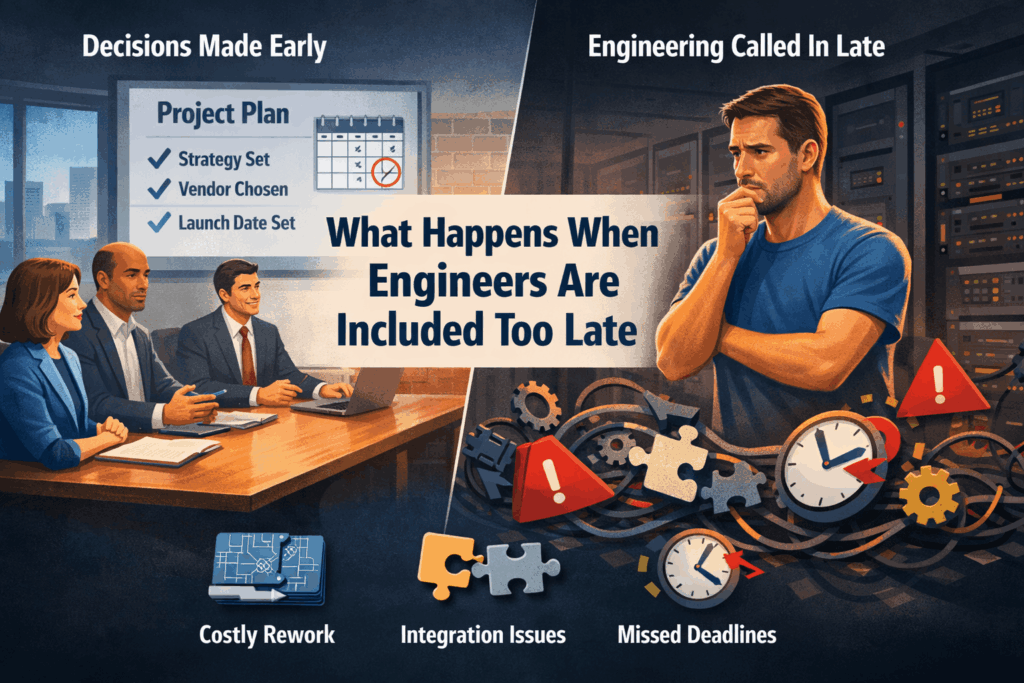
The Moment Everyone Recognizes In many organizations, a familiar scenario plays out. A new initiative is announced. A strategy has already been approved. A platform or vendor may even be selected. A timeline is communicated to leadership or clients. Only then does the conversation turn to engineering with a simple question: “How long will it […]
Critical Software Acquires IQ Inc. to Expand U.S. Presence
Critical Software is pleased to announce the completion of its acquisition of IQ Inc., a US-based technology and engineering services company headquartered in Pittsburgh. IQ Inc. employs highly skilled engineers and is a well-known and highly respected leader in delivering solutions for the healthcare, medical devices, mobility, energy, robotics, aerospace, and defense sectors. Its strong […]
The Reality of Multi-Project Engineering: Efficient or Overloaded?
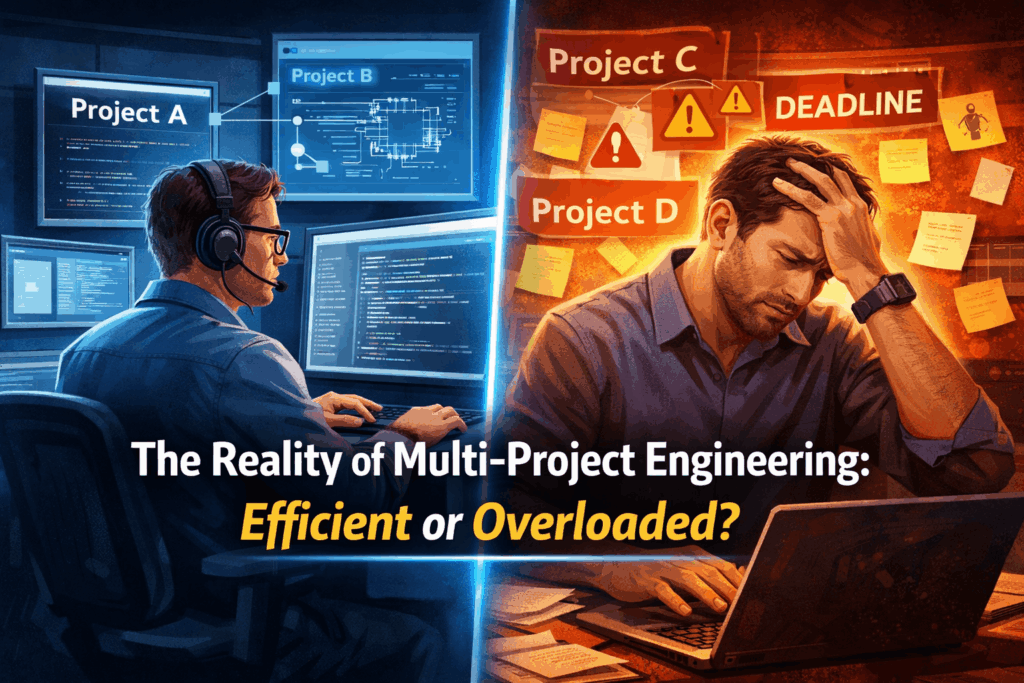
In today’s fast-moving technology environment, engineering organizations are constantly looking for ways to be more efficient without sacrificing quality. One strategy that often emerges, especially in contract software engineering, is assigning a single engineer to work across multiple projects simultaneously. On the surface, this approach can seem like a smart way to maximize talent and […]
The Hidden Risk in Every Software Project: Sudden Talent Loss

It was a normal sprint—until it wasn’t. The team was tracking well against deadlines. The backlog was under control. Communication was flowing. Then, in the middle of it all, a message came through: a key developer had accepted another opportunity and would be leaving in two weeks. At first, it seemed manageable. Two weeks is […]
Why Your Best Next Project Is Already in Your Inbox

Rethinking Business Development Most teams think of business development as something that happens outside the work, pipeline reviews, prospecting, and closing new deals. It’s treated as a parallel function, separate from delivery. But the reality is much simpler and often overlooked. Your next best project is likely already sitting in your inbox. It lives within […]
Why Great Software Teams Optimize for Trust, Not Velocity

Velocity Is the Obvious Metric — and the Wrong One In the software industry, speed is often treated as the ultimate sign of success. Teams are praised for shipping quickly, roadmaps are measured in release cycles, and leaders feel constant pressure to accelerate delivery. Velocity has become a proxy for performance. But over time, many […]
Managing the Unknowns: Keeping New Software Projects in Scope
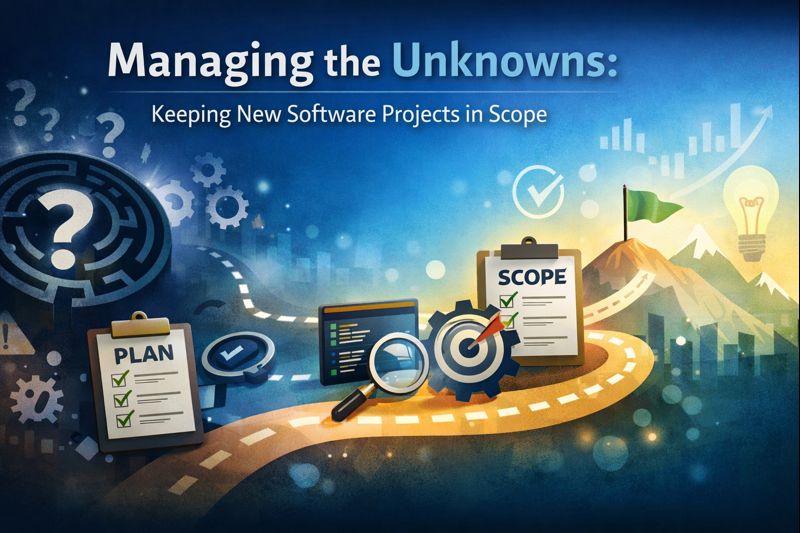
Starting a new software engineering project with a new client is always an exciting moment. There’s energy, ambition, and a shared belief that the solution being built will solve real business problems. At the same time, these early phases are where projects are most vulnerable to risk, because this is when the most assumptions are […]
Why Team Chemistry Matters More Than Raw Talent

Most engineering leaders have lived through some version of this experience: a team assembled with impressive résumés, deep technical expertise, and years of experience, yet the project still struggles. Deadlines slip. Design discussions drag on longer than expected. Decisions feel harder than they should be. Despite having all the right talent on paper, progress slows […]
Designing Software for the Unknown Future

How to build systems that can adapt without over-engineering The False Comfort of Predicting the Future Every software roadmap starts with a well-intentioned assumption: that we have a reasonable idea of what the future will look like. We plan features for the next year, sketch architectures for the next three, and make technical decisions today […]